ISSEITHE WINE COLLECTION

ONE COLLECTION · 160 BOTTLES · PRIVATE ACCESS

A cellar of discoveries.
Offered as one.

Latour. Sassicaia. Solaia. A private collection spanning Bordeaux, Burgundy, Italy and beyond—offered together to its next owner. Discover a few highlights, then request the complete picture.

A single collection, available as a whole

Sunny Isles Beach, Florida · Private access by approval

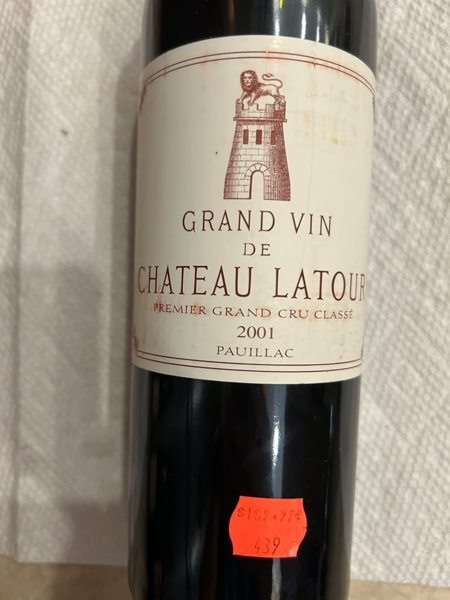
Château Latour 2001
Château Latour · 2001
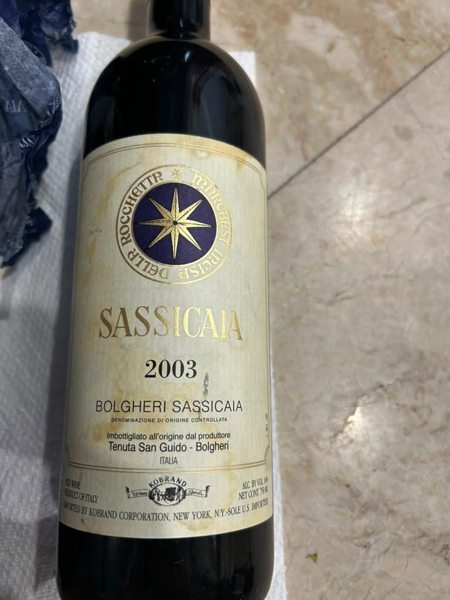
Tenuta San Guido Sassicaia 2003
Tenuta San Guido Sassicaia · 2003
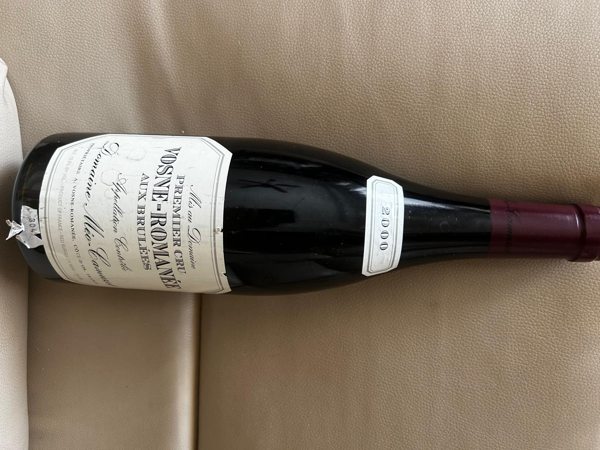
Méo-Camuzet Vosne-Romanée 1er Cru Aux Brûlées 2000
Méo-Camuzet Vosne-Romanée 1er Cru Aux Brûlées · 2000
160owner-confirmed bottles
1991–2022identified vintage span
Across regionsFrance, Italy, California & beyond
One collectionIndividual offer, private review

A FIRST LOOK

A glimpse of what awaits.

These twelve highlights are your introduction. The full 160-bottle catalogue, original photographs, condition evidence and an offer prepared for you are reserved for approved access.

Château Latour 2001

Château Latour

2001

Bordeaux

Latour's story begins beside the Gironde, where a medieval fortress guarded the estuary. Its surviving archives trace an estate that became one of Bordeaux's defining names.

Why this wine stands apart

An original First Growth of the 1855 classification, with a documented history reaching back to a 1331 authorization to build a fortified tower.

The tower before the wineProducer history

The estate's earliest recorded document, dated 1331, authorizes a fortified tower. The fortress later appears in Froissart's account of the Hundred Years' War.

Château Latour · Since 1331 ↗
First Growth, 1855Wine history

Latour received Premier Cru ranking in the official 1855 classification. This is the estate's historical classification, rather than a score for the bottle in this collection.

Château Latour · Since 1331 ↗

History describes the wine or estate. It does not certify a bottle’s condition.

Tenuta San Guido Sassicaia 2003

Tenuta San Guido Sassicaia

2003

Tuscany

Before Sassicaia became a name on collectors' lists, it was a wine for family and friends. Its Cabernet vineyards brought a different ambition to coastal Tuscany.

Why this wine stands apart

A Bolgheri wine with its own appellation, and a name inspired by the stones in its vineyard soils.

From the family table to the marketWine history

Sassicaia remained a private wine until 1967. The first commercially released vintage was 1968, brought to market in 1971.

Tenuta San Guido · Sassicaia ↗
A place with its own nameWine history

Tenuta San Guido describes Cabernet Sauvignon and Cabernet Franc growing in estate parcels with varied soils and exposures within DOC Bolgheri Sassicaia.

Tenuta San Guido · Bolgheri Sassicaia ↗

History describes the wine or estate. It does not certify a bottle’s condition.

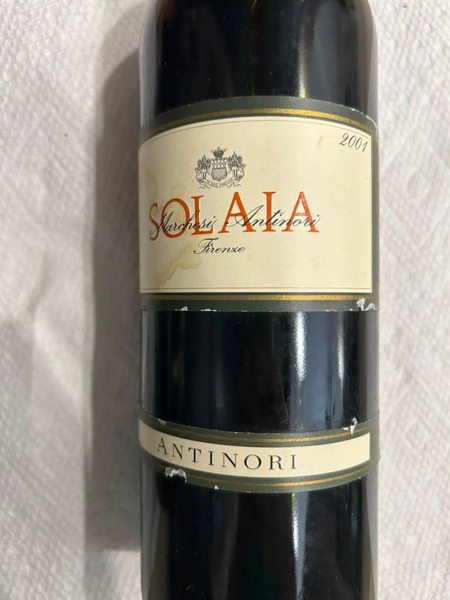
Antinori Solaia 2001

Antinori Solaia

2001

Tuscany

Solaia comes from a distinct vineyard at the Tignanello estate, where Cabernet takes a leading role on a rocky Tuscan hillside. Its first vintage was 1978.

Why this wine stands apart

A different expression of the same estate: a Cabernet-led idea rooted in the limestone and galestro of Tuscany.

Born in 1978Wine history

The first Solaia combined Cabernet Sauvignon and Cabernet Franc. Sangiovese joined the blend in later vintages; the estate's history describes a gradual evolution of the wine.

Marchesi Antinori · Solaia historical data ↗
1997: Wine of the YearSpecific vintage · 1997 (different vintage)

Wine Spectator named Solaia 1997 its Wine of the Year for 2000. This distinction belongs to the 1997 vintage; it is historical context for the 2001 bottle in this collection.

Wine Spectator · Wines of the Year archive ↗

History describes the wine or estate. It does not certify a bottle’s condition.

Méo-Camuzet Vosne-Romanée 1er Cru Aux Brûlées 2000

Méo-Camuzet Vosne-Romanée 1er Cru Aux Brûlées

2000

Burgundy red

Aux Brûlées invites attention to Burgundy's precise geography: an east-facing site at the foot of Richebourg, where shallow soil and the opening of a combe shape the vineyard.

Why this wine stands apart

Méo-Camuzet's vineyard account describes original plantings largely dating to the 1930s and small berries. These are site details, distinct from a tasting assessment of the collection's 2000 bottle.

Under RichebourgWine history

The domaine locates Aux Brûlées at the lower end of the slope beneath Richebourg, facing east. It describes shallow soil where ploughing can meet large stones or bedrock.

Méo-Camuzet · Vosne-Romanée Aux Brûlées ↗

History describes the wine or estate. It does not certify a bottle’s condition.

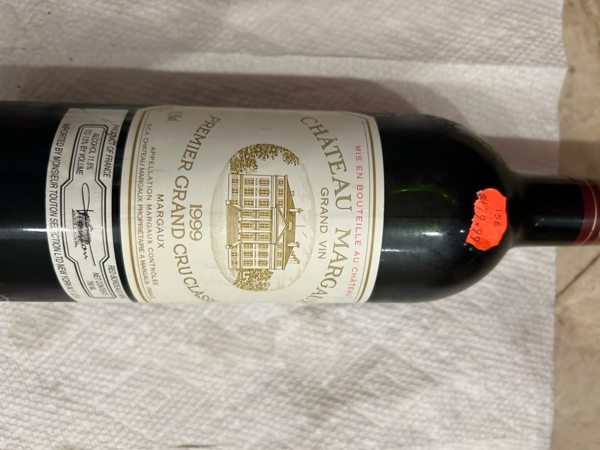
Château Margaux 1999

Château Margaux

1999

Bordeaux

Château Margaux combines the prestige of an original Bordeaux First Growth with a history that crosses the Atlantic: Thomas Jefferson was among its early American admirers.

Why this wine stands apart

The Cabernet Sauvignon-led grand vin is the flagship of the estate whose name it shares, classified First Growth since 1855.

Jefferson's choiceSpecific vintage · 1784 (different vintage)

The estate records Thomas Jefferson ordering its 1784 vintage. That historical enthusiasm concerns an eighteenth-century wine, not the vintages or individual bottles offered here.

Château Margaux · History ↗

History describes the wine or estate. It does not certify a bottle’s condition.

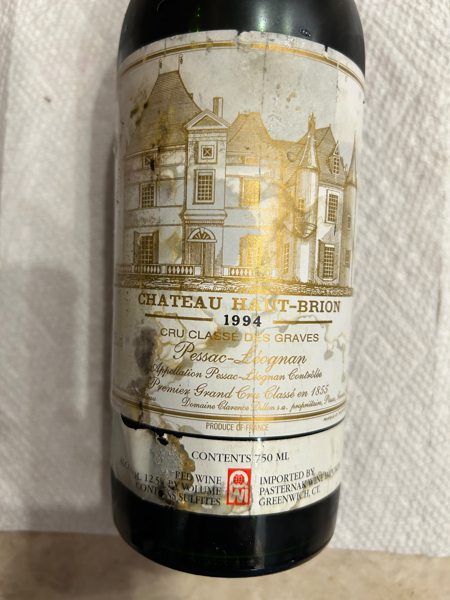
Château Haut-Brion 1994

Château Haut-Brion

1994

Bordeaux

Few wines leave such a vivid paper trail. Haut-Brion appears in Samuel Pepys's diary and in Thomas Jefferson's correspondence, connecting a Bordeaux estate to centuries of curiosity about wine.

Why this wine stands apart

One of the original First Growths of 1855, with unusually tangible cultural history documented by the estate.

Samuel Pepys, 1663Wine history

Pepys recorded drinking a French wine called Ho Bryan in 1663 and remarked on its distinctive taste. This is an association with historical Haut-Brion, not a tasting note for this bottle.

Château Haut-Brion · History ↗
Jefferson's 1787 visitSpecific vintage · 1784 (different vintage)

Thomas Jefferson visited the estate on 25 May 1787. His subsequent letter recommended the 1784 wine to his brother-in-law; that vintage is separate from this collection's wine.

Château Haut-Brion · History ↗

History describes the wine or estate. It does not certify a bottle’s condition.

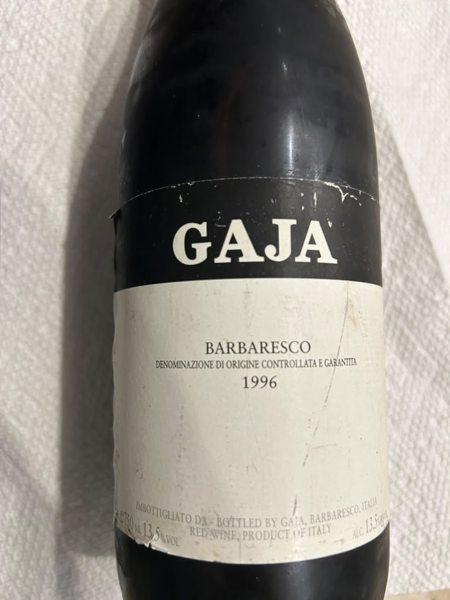
Gaja Barbaresco 1996

Gaja Barbaresco

1996

Piedmont

Gaja's Barbaresco connects a family founded in the village in 1859 with the Nebbiolo vineyards that remain the heart of its identity.

Why this wine stands apart

The family's longstanding Barbaresco brings several estate vineyards into a single expression of place.

History describes the wine or estate. It does not certify a bottle’s condition.

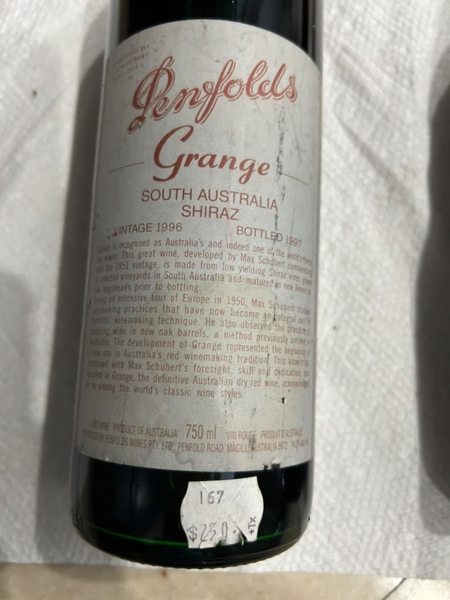
Penfolds Grange 1996

Penfolds Grange

1996

South Australia

Max Schubert conceived Grange in 1951 after visiting Bordeaux. Early resistance led to secret vintages, before the wine became central to Australia's fine-wine story.

Why this wine stands apart

A Shiraz-led expression of Penfolds' blending philosophy, with a continuous sequence of vintages reaching back to 1951.

Made in secretWine history

When Penfolds' board opposed the early Grange project, Schubert continued experimental production privately. The company instructed him to restart official production in 1960.

Penfolds · Company history ↗
A South Australian heritage iconWine history

Penfolds records Grange's recognition as a South Australian heritage icon. This recognizes the wine's cultural history, rather than grading the condition or quality of the 1996 bottle here.

Penfolds · The story of Grange ↗

History describes the wine or estate. It does not certify a bottle’s condition.

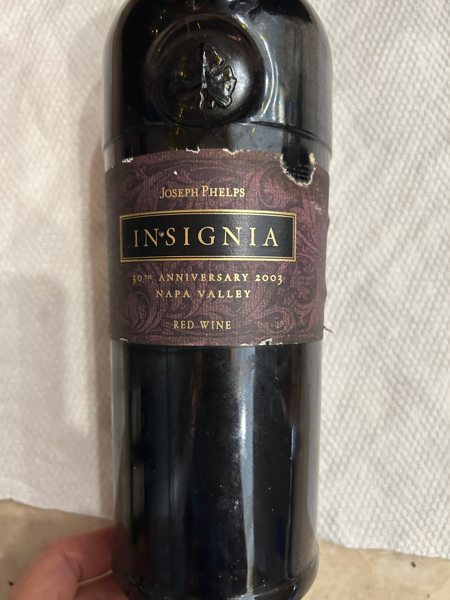
Joseph Phelps Insignia 2003

Joseph Phelps Insignia

2003

Napa

Insignia began with Joseph Phelps's idea of making the finest blend a vintage could offer, giving the wine its own name rather than defining it solely by a grape variety.

Why this wine stands apart

A Napa blending project that began with the 1974 vintage and helped establish the proprietary red blend as a category.

The best lots, one wineWine history

Phelps chose the name Insignia to represent the finest lots of each vintage. The winery describes the original 1974 as California's first proprietary red Bordeaux-style blend.

Joseph Phelps · Insignia's origin ↗
2002: Wine of the YearSpecific vintage · 2002 (different vintage)

Wine Spectator selected Insignia 2002 as its Wine of the Year for 2005. The award applies to 2002; the Issei inventory contains 2003, which should be considered on its own merits.

Wine Spectator · Wines of the Year archive ↗

History describes the wine or estate. It does not certify a bottle’s condition.

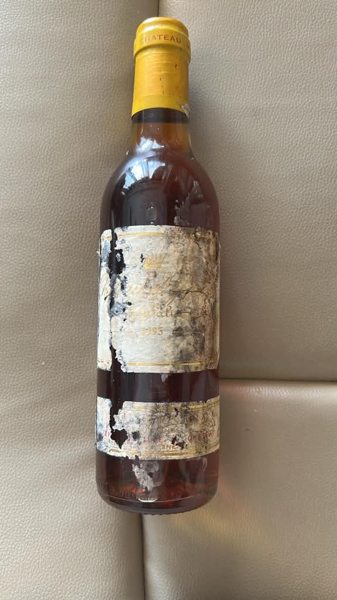
Château d'Yquem 1995

Château d'Yquem

1995

Sauternes

Yquem's sweet wine depends on exacting selection of grapes transformed by noble rot. Its history joins patient vineyard work with an exceptional place in Bordeaux's nineteenth-century hierarchy.

Why this wine stands apart

Château d'Yquem received Premier Cru Supérieur status in 1855. Its production centers on Sémillon and Sauvignon Blanc and the careful selection of botrytised grapes.

Premier Cru Supérieur, 1855Wine history

Yquem's official owner records its Premier Cru Supérieur designation in 1855. This historical classification is distinct from any critic's score for a vintage or assessment of an individual bottle.

LVMH · Château d'Yquem ↗
The lady of YquemProducer history

Widowed at twenty, Françoise-Joséphine de Lur Saluces took responsibility for the estate and expanded its reputation beyond France. She died in 1851, four years before the classification.

LVMH · Château d'Yquem ↗

History describes the wine or estate. It does not certify a bottle’s condition.

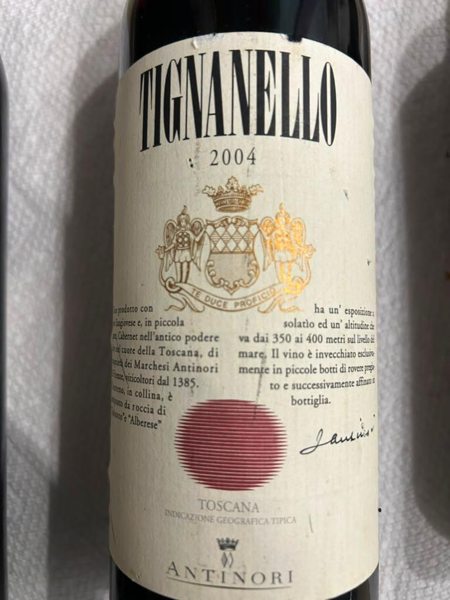
Antinori Tignanello 2004

Antinori Tignanello

2004

Tuscany

Tignanello helped redraw the possibilities of Tuscan red wine: Sangiovese met Cabernet, small oak barrels and a willingness to step outside the old Chianti formula.

Why this wine stands apart

A vineyard-led wine whose story joins Tuscan tradition with a deliberate spirit of experiment.

A different direction for SangioveseWine history

Antinori identifies Tignanello as the first Sangiovese aged in barriques and among the early Chianti-area reds to omit white grapes. The name Tignanello appeared with the 1971 vintage.

Marchesi Antinori · Tignanello history ↗
A designer's sunWine history

Silvio Coppola designed the label in 1974 for the release of the 1971 vintage. Its stylized sun connects the bottle with a figure of Italian graphic and furniture design.

Marchesi Antinori · The design ↗

History describes the wine or estate. It does not certify a bottle’s condition.

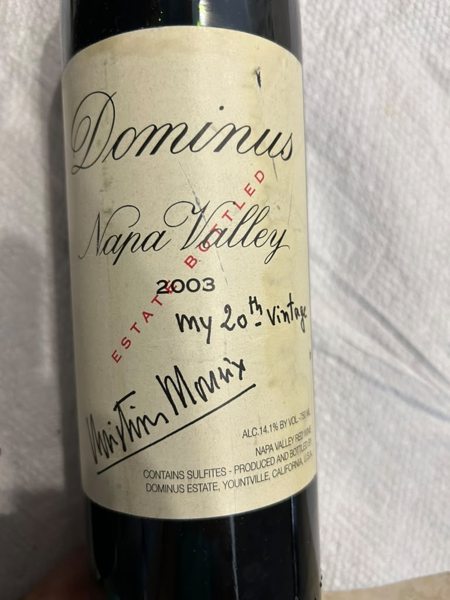
Dominus 2003

Dominus

2003

Napa

Christian Moueix established Dominus on the historic Napanook vineyard in Yountville. The project brought a Bordeaux sensibility to a very particular Napa landscape.

Why this wine stands apart

A wine built around one estate's terrain, with dry farming central to its vineyard philosophy.

An estate founded in 1983Producer history

Moueix established Dominus in 1983 on Napanook, a vineyard with roots in Napa's earliest winegrowing history. The name means lord of the estate in Latin.

Moueix · Dominus estate history ↗
Architecture in the vineyardProducer history

The estate's winery, designed by Swiss architects Herzog & de Meuron, was completed in 1997. It adds an architectural chapter to the story of the vineyard.

Moueix · Dominus architecture ↗

History describes the wine or estate. It does not certify a bottle’s condition.

Selected photographs identify highlights; they do not represent the complete inventory or confirm bottle condition. Full quantities and disclosures are available in the private collection room.

BEYOND THE FIRST LOOK

The complete collection.
Your private invitation.

One existing collection, offered together. Explore the wines and their evidence in full before deciding whether this is the opportunity for you.

  • All 160 bottles and original photographs
  • Condition notes and available price references
  • Your individual offer and collection terms
Request private access ↗

Requests are reviewed individually. Access does not reserve the collection or create a purchase commitment.

THE COLLECTION

Different regions.
A shared curiosity.

First-growth Bordeaux, Burgundy, Gaja and the wines of Tuscany sit alongside Napa Cabernet, Australian Shiraz and Sauternes. The interest lies in exploring these producers and vintages together.

This is an existing private collection with supplied bottle photography. Age alone does not establish drinking readiness or value. Identity, size, condition and storage history require review before purchase.

Storage reported by the owner

Two wine coolers in Sunny Isles Beach, Florida, with approximately 15 years of storage reported. Individual acquisition dates and uninterrupted temperature records have not been documented; newer vintages have shorter individual histories.

YOUR PRIVATE COLLECTION ROOM

Make this your next discovery.

The next step is a private look at the wines, their evidence and your individual offer.

Request private access ↗

Verify your email, then the collection representative reviews your request. If approved, you receive a sign-in invitation. Existing account holders can sign in above.

  1. 01

    Every bottle, clearly presented

    Browse all 160 bottles, full-size photographs, quantities and condition notes.

  2. 02

    An offer prepared for you

    Review your individual collection price and any inspection, payment and collection terms.

  3. 03

    Space to assess the opportunity

    Explore reference evidence and an optional resale calculator using your own assumptions.